

Screening and Early Detection: The Key to Beating Cancer
Cancer does not always show symptoms in its early stages. By the time signs appear, the disease may already be advanced and harder to treat. This is why screening and early detection are life-saving tools.
What is Screening?
Screening means checking for cancer before a person has any symptoms. It helps doctors find cancer early, when treatment is most effective and chances of survival are highest.
Why Early Detection Matters
- Cancer found early is often easier and less expensive to treat.
- Survival rates are much higher when diagnosed at an early stage.
- Screening gives people peace of mind and encourages healthier lifestyles.
Key Screening Tests for Common Cancers
? Breast Cancer (Women)
Self-breast exam: Women should check their breasts monthly for lumps or changes.
Clinical breast exam: A health worker examines the breasts (recommended regularly from age 25+).
Mammogram: X-ray scan that can detect lumps before they can be felt (recommended from age 40+ every 1–2 years).
? Cervical Cancer (Women)
Pap smear test: Detects abnormal cells in the cervix before they become cancerous.
HPV testing: Checks for Human Papilloma Virus, the main cause of cervical cancer.
Visual Inspection with Acetic Acid (VIA): A simple, low-cost test done by trained health workers.
When to screen: Women aged 21–65 should screen regularly (every 3–5 years, depending on test type).
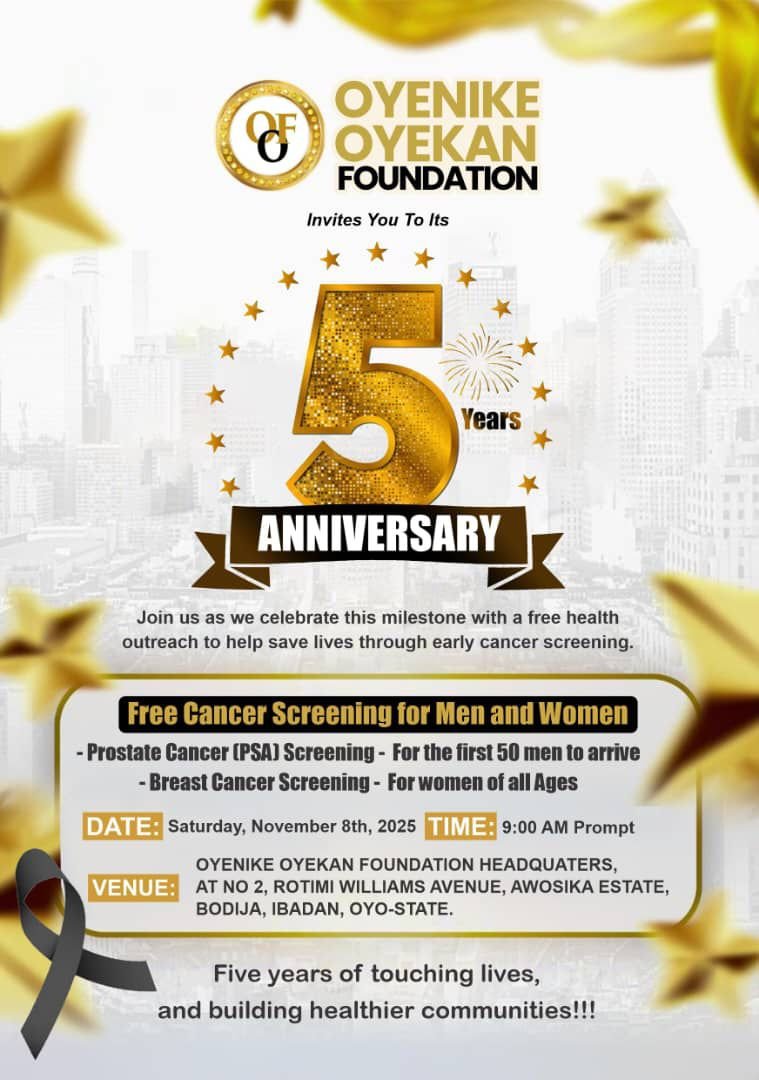
? Prostate Cancer (Men)
Prostate-Specific Antigen (PSA) test: A blood test that checks for signs of prostate cancer.
Digital Rectal Exam (DRE): A doctor feels the prostate for lumps.
When to screen: Men aged 40–50 and above, especially those with a family history or African background.



0 Comment(s)